
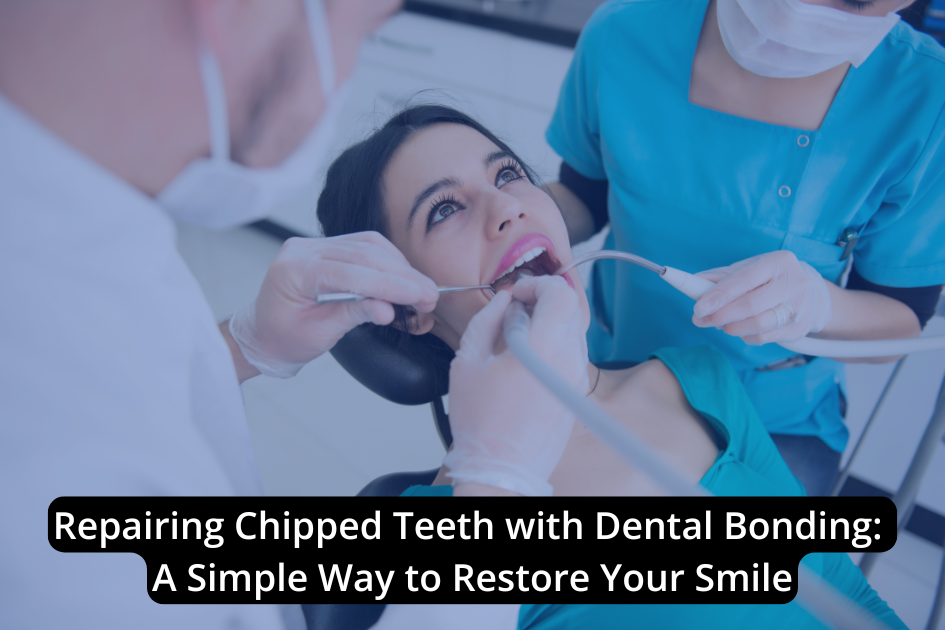
Chipping a tooth is never ideal. Whether it’s caused by biting into something hard, an accident, or simple wear over time, it can leave you feeling self-conscious and concerned about long-term damage. Fortunately, dental bonding offers a reliable, minimally invasive solution to restore both the appearance and function of your tooth.
At Lake Shore Dental in Waco, Texas, dental bonding is one of the many cosmetic treatments offered to help patients regain confidence in their smiles quickly and comfortably. This blog explores how dental bonding works, what to expect from the procedure, and how to care for your bonded tooth over time.
What Is Dental Bonding?
Dental bonding is a cosmetic procedure that uses a tooth-colored resin material to correct imperfections like chips, cracks, gaps, and minor discoloration. The composite resin is applied to the affected area, shaped to match your tooth’s natural form, and then hardened with a special curing light.
Unlike crowns or veneers, bonding doesn’t require removal of much tooth structure, making it a conservative treatment option. It’s typically completed in just one visit, making it ideal for patients seeking quick, effective results without the downtime or expense of more complex procedures.
How the Process Works
The bonding process begins with preparation. The surface of the tooth is gently roughened, and a conditioning liquid is applied to help the resin adhere properly. Next, the dentist selects a resin shade that blends with your natural teeth. The material is then applied to the tooth and sculpted with care to match the surrounding enamel.
Once shaped, the resin is hardened using a specialized curing light. After it sets, the dentist smooths and polishes the bonded area to ensure it blends seamlessly with your smile. The result is a tooth that looks and feels natural, with restored strength and appearance.
When Dental Bonding Makes Sense
Bonding is an excellent choice for minor cosmetic concerns. If you’ve recently chipped a tooth, noticed small cracks, or want to close a slight gap between teeth, bonding can be an effective solution. It’s particularly useful for improving the look of front teeth that play a central role in your smile.
However, it’s important to know that bonding may not be suitable for every situation. Teeth that endure a lot of pressure from biting—like molars—or those with extensive damage might require more durable restorations such as crowns.
Why Patients Choose Bonding
There are several reasons patients choose bonding to restore chipped or damaged teeth. The treatment is quick and can usually be completed in a single appointment. Because it preserves most of the natural tooth, it’s also a less invasive option than veneers or crowns. The affordability and immediate results make it a popular choice for cosmetic enhancements.
Bonding can be a great first step in a smile makeover, especially for those who want subtle improvements without the commitment or cost of more permanent treatments.
Durability and Longevity
Dental bonding is durable, but it isn’t as long-lasting as porcelain restorations. On average, bonded teeth last between three and ten years depending on several factors, including your oral hygiene habits and the location of the tooth.
Teeth that receive less pressure from chewing tend to hold up better. Habits such as biting your nails, chewing ice, or grinding your teeth can shorten the lifespan of bonding. However, with proper care and regular dental checkups, bonded teeth can remain in good condition for many years.
Caring for a Bonded Tooth
Maintaining a bonded tooth is similar to caring for your natural teeth. Brushing twice a day and flossing daily helps prevent plaque buildup and protects both the tooth and the resin material. It’s also wise to avoid biting down on hard objects and to limit foods and drinks that are known to stain—like coffee, red wine, and tea—since bonding material is more susceptible to discoloration than natural enamel.
Regular dental visits are important to monitor the bonded area. Your dentist can check for wear, staining, or damage and recommend any touch-ups if needed.
How Bonding Compares to Veneers and Crowns
When deciding between dental bonding, veneers, and crowns, the choice depends on the extent of the damage and your long-term goals. Bonding is best for small cosmetic concerns and offers a quick, cost-effective fix. Veneers provide a more permanent solution for moderate issues and can dramatically enhance the appearance of your teeth, though they require more preparation and time. Crowns offer full coverage for teeth with more serious structural damage and are often used when function needs to be fully restored.
Each option has its place, and your dentist can help you determine which approach makes the most sense for your smile and lifestyle.
Who’s a Good Candidate?
Dental bonding is most effective for patients with healthy teeth and gums who want to address minor cosmetic flaws. If you’re looking to improve the appearance of one or two teeth due to chipping, spacing, or discoloration, bonding may be a great fit. It’s also well-suited for patients who want to avoid more invasive treatments.
However, if your tooth has significant decay, damage, or structural weakness, your dentist may suggest alternative solutions that offer more support and longevity.

Why Prompt Treatment Matters
Even small chips or cracks in a tooth can lead to bigger problems if left untreated. Damaged enamel can expose the inner tooth to bacteria, increasing the risk of decay or sensitivity. Prompt treatment not only restores your smile but also helps protect your long-term oral health.
If you notice sharp edges, pain when biting, or sensitivity to hot and cold, it’s important to schedule an evaluation. Catching these issues early allows for simpler, more conservative treatment.
Restore Your Smile with Lake Shore Dental
If you’ve chipped a tooth or want to enhance your smile with a minimally invasive cosmetic treatment, dental bonding could be the ideal solution. At Lake Shore Dental in Waco, we offer personalized care and modern techniques to help you feel confident in your smile again.
Our team is here to guide you through the process, answer your questions, and ensure your treatment fits both your goals and your lifestyle. Don’t wait to address a chipped tooth—let us help you restore your smile quickly, comfortably, and beautifully.
Contact Lake Shore Dental today to schedule your consultation and explore how dental bonding can improve your smile and protect your oral health.